Pathophysiology · 1-20
急性・慢性副腎皮質機能低下症;先天性副腎過形成
Adrenocortical insufficiency (acute/chronic); congenital adrenal hyperplasia
🧠 2つのホルモンが足りない病気。 糖質コルチコイドglucocorticoids糖質コルチコイド(glucocorticoids)glucocorticoids(糖質コルチコイド)(コルチゾール)不足 → 低血糖・低血圧・ストレス耐性ゼロ、鉱質コルチコイドmineralocorticoid鉱質コルチコイド(mineralocorticoid)mineralocorticoid(鉱質コルチコイド)(アルドステロン)不足 → Na/水喪失・高K⁺。Primary(腺の問題)では ACTH↑ で皮膚が黒くなる(色素沈着)のが決め手。
HPA軸とコルチゾール
- CRH → ACTH → コルチゾール(副腎皮質)。高コルチゾールhypercortisolism (elevated cortisol)高コルチゾール(hypercortisolism (elevated cortisol))hypercortisolism (elevated cortisol)(高コルチゾール)はエピネフリン合成も促進。
- 💡 ACTH の2つの副作用: 高濃度の ACTH は MC1R に結合 → 皮膚色素沈着cutaneous hyperpigmentation皮膚色素沈着(cutaneous hyperpigmentation)cutaneous hyperpigmentation(皮膚色素沈着)。また網状帯zona reticularis網状帯(zona reticularis)zona reticularis(網状帯)の アンドロゲン を駆動(負のフィードバックなし → コルチゾール欠如時にアンドロゲン過剰androgen excess (hyperandrogenism)アンドロゲン過剰(androgen excess (hyperandrogenism))androgen excess (hyperandrogenism)(アンドロゲン過剰) → 副腎過形成)。
糖質コルチコイド・鉱質コルチコイド作用
- 糖質コルチコイドglucocorticoids糖質コルチコイド(glucocorticoids)glucocorticoids(糖質コルチコイド)(束状帯zona fasciculata束状帯(zona fasciculata)zona fasciculata(束状帯)):
- 抗炎症/免疫抑制
- 肝糖新生hepatic gluconeogenesis肝糖新生(hepatic gluconeogenesis)hepatic gluconeogenesis(肝糖新生)↑、筋タンパク異化protein catabolism筋タンパク異化(protein catabolism)protein catabolism(筋タンパク異化)↑、脂肪分解lipolysis脂肪分解(lipolysis)lipolysis(脂肪分解)↑、インスリン抵抗性↑ → 血糖↑(ストレス燃料)
- 交感神経系sympathetic nervous system交感神経系(sympathetic nervous system)sympathetic nervous system(交感神経系)に許容的permissive許容的(permissive)permissive(許容的)に作用(CO/BP維持)
- GFR↑
- 骨形成抑制
- CNS覚醒
- 胎児界面活性物質fetal surfactant胎児界面活性物質(fetal surfactant)fetal surfactant(胎児界面活性物質)
- 鉱質コルチコイドmineralocorticoid鉱質コルチコイド(mineralocorticoid)mineralocorticoid(鉱質コルチコイド):
- Na⁺/水再吸収water reabsorption水再吸収(water reabsorption)water reabsorption(水再吸収)↑
- K⁺/H⁺分泌↑
- 調節:レニン(低BP/交感神経)と高カリウム血症Hyperkalemia高カリウム血症(Hyperkalemia)Hyperkalemia(高カリウム血症)
副腎皮質機能低下症
💡 皮質は予備能reserve capacity予備能(reserve capacity)reserve capacity(予備能)が高く、約90%破壊されて初めて症状が出る。
- 原発性(腺):
- 慢性 = アジソン病Addison diseaseアジソン病(Addison disease)Addison disease(アジソン病):
- 自己免疫
- TB/HIV
- 低形成
- 転移
- 急性 = アジソンクリーゼAddisonian crisisアジソンクリーゼ(Addisonian crisis)Addisonian crisis(アジソンクリーゼ):
- 副腎出血adrenal hemorrhage副腎出血(adrenal hemorrhage)adrenal hemorrhage(副腎出血)=髄膜炎菌 Waterhouse-Friderichsen
- 外傷/手術
- GI感染
- 慢性 = アジソン病Addison diseaseアジソン病(Addison disease)Addison disease(アジソン病):
- 続発性:
- 糖質コルチコイドglucocorticoids糖質コルチコイド(glucocorticoids)glucocorticoids(糖質コルチコイド)療法の慢性使用 → CRH/ACTH 抑制 → 萎縮 → 急な中止で致死的クリーゼ
- 下垂体障害 → ACTH↓
アジソン病 — 症状
G+M 欠乏:
- 体重減少・脱力・疲労(原因):
- 体液喪失(M)
- 高カリウム血症Hyperkalemia高カリウム血症(Hyperkalemia)Hyperkalemia(高カリウム血症)(M→慢性脱分極→筋興奮性↓)
- 食欲↓(G)
- 低血糖(G)
- CNS活動↓
- 悪心/嘔吐/下痢(M、アシドーシス)— 下痢はクリーゼを誘発。
- 脱水
- 低血圧
- 起立性低血圧orthostatic hypotension (postural hypotension)起立性低血圧(orthostatic hypotension (postural hypotension))orthostatic hypotension (postural hypotension)(起立性低血圧)
- 虚脱
- 色素沈着(皮膚/口腔粘膜、ACTH↑)。
- ホルモン:
- アルドステロン↓
- コルチゾール↓
- ACTH↑
- レニン活性renin activityレニン活性(renin activity)renin activity(レニン活性)↑
- 治療: M+G 補充。
急性副腎クリーゼ
- 原因:
- 副腎出血Waterhouse-Friderichsen副腎出血(Waterhouse-Friderichsen)Waterhouse-Friderichsen(副腎出血)
- 外傷/手術
- GI感染
- 症状(急性の塩-水/循環不全):
- 嘔吐
- 脱水
- 低血圧
- ショック
- 低血糖
- 昏睡
先天性副腎過形成
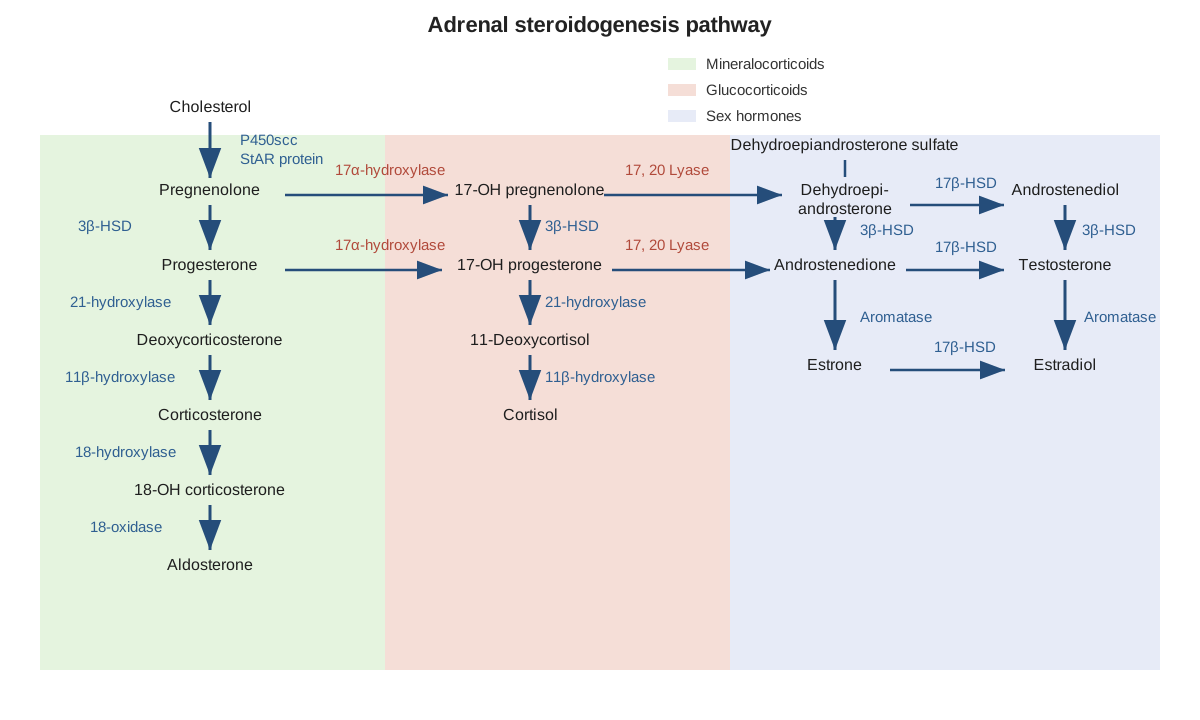
💡 論理は1本: コルチゾール合成酵素が欠ける → コルチゾール↓ → ACTH↑(負のFBなし)→ 副腎過形成+中間体がアンドロゲンへ流れて過剰 → 男性化。鉱質コルチコイドmineralocorticoid鉱質コルチコイド(mineralocorticoid)mineralocorticoid(鉱質コルチコイド)が出るか否かは欠損酵素しだい。
flowchart TD
  D["コルチゾール合成酵素の欠損"] --> C["コルチゾール欠乏 → ACTH↑"]
  C --> H["副腎過形成"]
  D --> SH["中間体がアンドロゲンへシャント → <span class='jp-term jp-term-diagram' title='androgen excess (hyperandrogenism)'>アンドロゲン過剰</span>"]
SH --> V["男性化・<span class='jp-term jp-term-diagram' title='early'>早発</span>(adrenarche)・<span class='jp-term jp-term-diagram' title='hirsutism'>多毛症</span>(hirsutism)・不妊"]| 酵素欠損 | 特徴 |
|---|---|
| 21水酸化酵素欠損症21-hydroxylase deficiency21水酸化酵素欠損症(21-hydroxylase deficiency)21-hydroxylase deficiency(21水酸化酵素欠損症)(>95%、CYP21A2) | コルチゾールも鉱質コルチコイドmineralocorticoid鉱質コルチコイド(mineralocorticoid)mineralocorticoid(鉱質コルチコイド)もなし。アンドロゲン過剰androgen excess (hyperandrogenism)アンドロゲン過剰(androgen excess (hyperandrogenism))androgen excess (hyperandrogenism)(アンドロゲン過剰)。2–4週で塩類喪失クリーゼsalt-losing crisis塩類喪失クリーゼ(salt-losing crisis)salt-losing crisis(塩類喪失クリーゼ)(脱水・高カリウム血症Hyperkalemia高カリウム血症(Hyperkalemia)Hyperkalemia(高カリウム血症)・ショック) |
| 11β水酸化酵素欠損症11β-hydroxylase deficiency11β水酸化酵素欠損症(11β-hydroxylase deficiency)11β-hydroxylase deficiency(11β水酸化酵素欠損症)(~4%) | アンドロゲン過剰androgen excess (hyperandrogenism)アンドロゲン過剰(androgen excess (hyperandrogenism))androgen excess (hyperandrogenism)(アンドロゲン過剰)、コルチゾール欠乏、鉱質コルチコイドmineralocorticoid鉱質コルチコイド(mineralocorticoid)mineralocorticoid(鉱質コルチコイド)活性↑ → Na/水貯留water retention水貯留(water retention)water retention(水貯留)(高血圧)、低カリウム血症hypokalemia低カリウム血症(hypokalemia)hypokalemia(低カリウム血症) |
| 3β-HSD欠損症3β-HSD deficiency3β-HSD欠損症(3β-HSD deficiency)3β-HSD deficiency(3β-HSD欠損症)(稀) | コルチゾール+鉱質コルチコイドmineralocorticoid鉱質コルチコイド(mineralocorticoid)mineralocorticoid(鉱質コルチコイド)欠乏、アンドロゲン過剰androgen excess (hyperandrogenism)アンドロゲン過剰(androgen excess (hyperandrogenism))androgen excess (hyperandrogenism)(アンドロゲン過剰) → 脱水、高カリウム血症Hyperkalemia高カリウム血症(Hyperkalemia)Hyperkalemia(高カリウム血症) |
- アンドロゲン過剰androgen excess (hyperandrogenism)アンドロゲン過剰(androgen excess (hyperandrogenism))androgen excess (hyperandrogenism)(アンドロゲン過剰)分泌の結果:
- 男性化
- 早発アドレナーキpremature adrenarche早発アドレナーキ(premature adrenarche)premature adrenarche(早発アドレナーキ)(陰毛pubic hair陰毛(pubic hair)pubic hair(陰毛)・腋毛axillary hair腋毛(axillary hair)axillary hair(腋毛)の早期発現)
- 多毛症hirsutism多毛症(hirsutism)hirsutism(多毛症)
- 無月経
- 不妊
- 精子形成↓