Pathophysiology · 1-8
1型糖尿病の発症機序
Pathogenesis of Type 1 diabetes mellitus
🧠 T1DM = 「T細胞がβ細胞を殺す自己免疫病」。 遺伝素因genetic predisposition遺伝素因(genetic predisposition)genetic predisposition(遺伝素因)+環境トリガーenvironmental triggers環境トリガー(environmental triggers)environmental triggers(環境トリガー)(enterovirus等)→ 膵島炎insulitis膵島炎(insulitis)insulitis(膵島炎)→ β細胞が破壊され絶対的absolute絶対的(absolute)absolute(絶対的)インスリン欠乏absolute deficiencyインスリン欠乏(absolute deficiency)absolute deficiency(インスリン欠乏)に。自己抗体は犯人ではなく“進行中の目印(マーカー)“である点が要注意。
糖尿病 — 総論
- インスリン作用の不足を特徴とする代謝疾患。主に血糖上昇で診断。前糖尿病: より軽い代謝異常。
診断基準(DM)
- 典型症状(多尿・多飲polydipsia多飲(polydipsia)polydipsia(多飲)・多食polyphagia多食(polyphagia)polyphagia(多食))+異常血糖:空腹時 ≥7.0 mmol/L(126 mg/dL) または 随時 ≥11.1 mmol/L(200 mg/dL)。
- 2回の機会で2つの異常血糖検査glucose tests血糖検査(glucose tests)glucose tests(血糖検査)。
- HbA1c ≥ 6.5%。
初発時の症状
- 3P(多尿・多飲polydipsia多飲(polydipsia)polydipsia(多飲)・多食polyphagia多食(polyphagia)polyphagia(多食))が重度高血糖から → 1型糖尿病(T1DM)ではインスリン欠乏absolute deficiencyインスリン欠乏(absolute deficiency)absolute deficiency(インスリン欠乏)で急性発症。
- 感染徴候
- ケトーシスketosisケトーシス(ketosis)ketosis(ケトーシス)(悪心・嘔吐・腹痛)
- 高浸透圧hyperosmolality高浸透圧(hyperosmolality)hyperosmolality(高浸透圧)(水晶体lens水晶体(lens)lens(水晶体)腫脹で霧視blurry vision霧視(blurry vision)blurry vision(霧視)・意識変容)
- 2型糖尿病(T2DM)では軽度高血糖が長く、感染や心血管/神経症状で発症。
1型糖尿病
インスリン依存性IDDMインスリン依存性(IDDM)IDDM(インスリン依存性)、若年発症:糖尿病の 5–10%、小児発症(ピーク10–14歳)、正常体重normal weight正常体重(normal weight)normal weight(正常体重)+体重減少、ケトアシドーシスketoacidosisケトアシドーシス(ketoacidosis)ketoacidosis(ケトアシドーシス)を伴う急性発症、絶対的absolute絶対的(absolute)absolute(絶対的)インスリン欠乏absolute deficiencyインスリン欠乏(absolute deficiency)absolute deficiency(インスリン欠乏)、自己免疫性β細胞破壊HLA-DR3/DR4細胞破壊(HLA-DR3/DR4)HLA-DR3/DR4(細胞破壊)。
遺伝・環境因子
- 遺伝性: HLAハプロタイプhaplotypeハプロタイプ(haplotype)haplotype(ハプロタイプ)(DR3, DR4-DQ8)でリスク↑。一卵性双生児monozygotic twins一卵性双生児(monozygotic twins)monozygotic twins(一卵性双生児)一致率concordance rate一致率(concordance rate)concordance rate(一致率) 35–50%。
- 環境トリガーenvironmental triggers環境トリガー(environmental triggers)environmental triggers(環境トリガー):
- ウイルス性(エンテロウイルスenterovirusエンテロウイルス(enterovirus)enterovirus(エンテロウイルス)、コクサッキーウイルスCoxsackievirusコクサッキーウイルス(Coxsackievirus)Coxsackievirus(コクサッキーウイルス)B4(Coxsackievirus B4))
- 栄養因子
- 腸内細菌叢gut microbiota腸内細菌叢(gut microbiota)gut microbiota(腸内細菌叢)
自然史
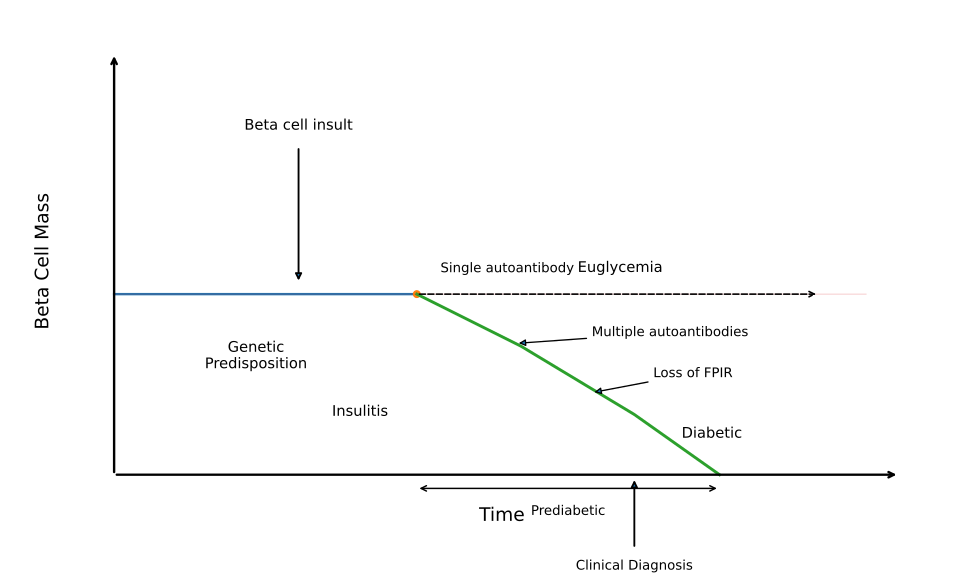
古典的1987年モデル
遺伝素因genetic predisposition遺伝素因(genetic predisposition)genetic predisposition(遺伝素因) → 誘発イベントtriggering event誘発イベント(triggering event)triggering event(誘発イベント)→ 自己抗体 → β細胞死 → インスリン放出の進行性喪失。(単純化しすぎ。)
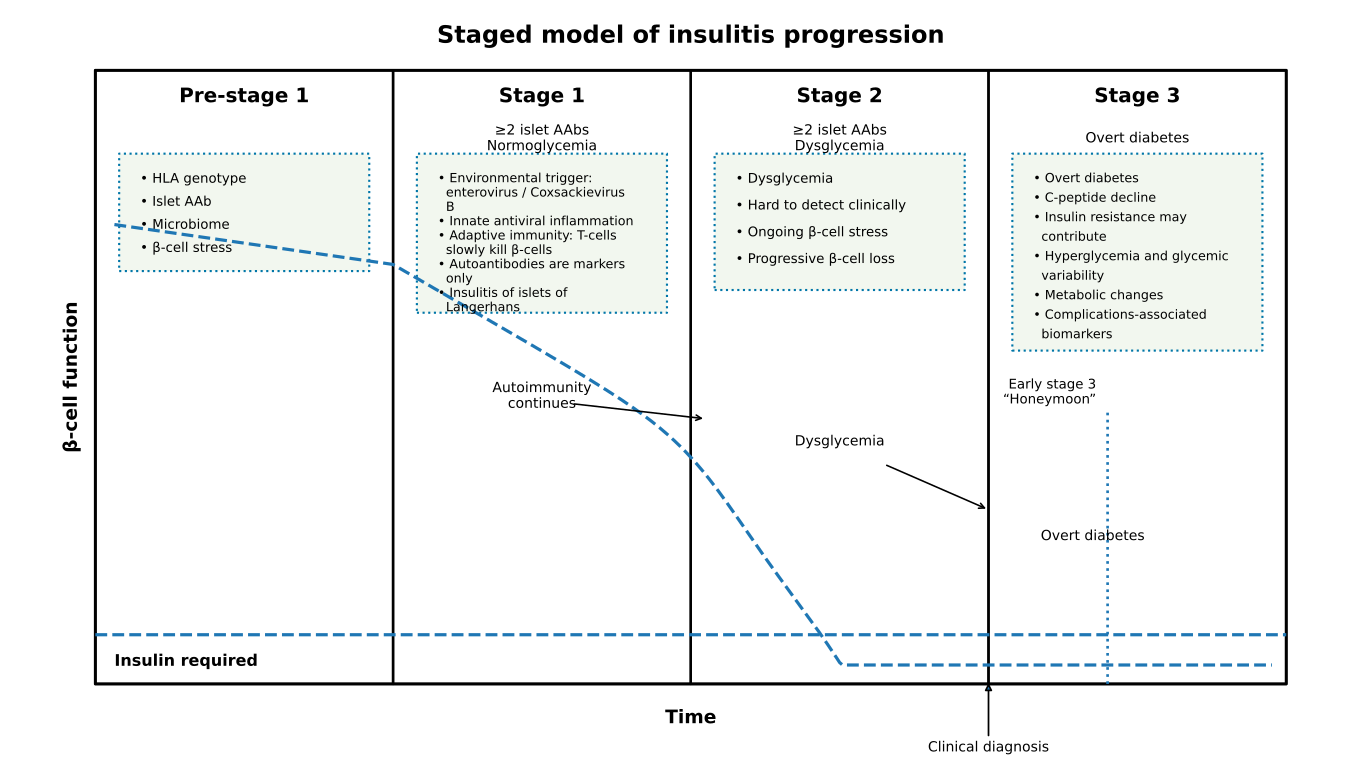
段階モデル(縦の進行で覚える)
💡 自己抗体 = マーカーであって実行犯ではない。 実際にβ細胞を殺すのは CD8⁺ 細胞傷害性T細胞cytotoxic T cell細胞傷害性T細胞(cytotoxic T cell)cytotoxic T cell(細胞傷害性T細胞)。抗体は「免疫反応が進行中」という早期サインSignサイン(Sign)Sign(サイン)として使う(≥2種で約70%が発症)。
flowchart TD
  ENV["<span class='jp-term jp-term-diagram' title='enterovirus/Coxsackievirus B'>環境トリガー</span>がβ細胞を攻撃"] --> INN["自然免疫:低度<span class='jp-term jp-term-diagram' title='persistent infection'>持続感染</span>を維持"]
  INN --> ADP["獲得免疫(遺伝性):T細胞がβ細胞をゆっくり殺す"]
  ADP --> INS["<span class='jp-term jp-term-diagram' title='insulitis'>膵島炎</span>(Langerhans島の炎症)=Stage 1"]
  INS --> S2["Stage 2:<span class='jp-term jp-term-diagram' title='dysglycemia'>血糖異常</span>(検出困難)"]
  S2 --> S3["Stage 3:<span class='jp-term jp-term-diagram' title='overt diabetes'>顕性糖尿病</span>"]
ADP -. "副産物" .-> AB["自己抗体 = 早期マーカー"]- Stage 1:
- ① 環境トリガーenvironmental triggers環境トリガー(environmental triggers)environmental triggers(環境トリガー)がβ細胞を攻撃
- ② 自然免疫(低度持続感染persistent infection持続感染(persistent infection)persistent infection(持続感染))
- ③ 獲得免疫:T細胞がβ細胞を殺す(自己抗体はマーカー)
- ④ 膵島炎insulitis膵島炎(insulitis)insulitis(膵島炎)
- Stage 2: 血糖異常dysglycemia血糖異常(dysglycemia)dysglycemia(血糖異常)(検出困難)。
- Stage 3: 顕性糖尿病overt diabetes顕性糖尿病(overt diabetes)overt diabetes(顕性糖尿病)。
診断上の含意
- β細胞を殺すのは CD8⁺ 細胞傷害性T細胞cytotoxic T cell細胞傷害性T細胞(cytotoxic T cell)cytotoxic T cell(細胞傷害性T細胞)。膵島自己抗体islet autoantibodies膵島自己抗体(islet autoantibodies)islet autoantibodies(膵島自己抗体)の抗体陽転seroconversion抗体陽転(seroconversion)seroconversion(抗体陽転)が進行中の免疫反応を示す。
- リスク評価:≥2 自己抗体 → 約70% が発症。
- Cペプチドを糖尿病診断に使ってはいけない。
- 血糖検査glucose tests血糖検査(glucose tests)glucose tests(血糖検査): 空腹時 ≥7.0、随時 ≥11.1 mmol/L。
- HbA1c: グルコース量に比例した不可逆的糖化glycation糖化(glycation)glycation(糖化)(赤血球寿命red blood cell lifespan赤血球寿命(red blood cell lifespan)red blood cell lifespan(赤血球寿命)=約4か月を反映)。
治療と予防
- 早期段階に焦点を当て進行を遅らせる。
- 予防:
- 妊娠中ビタミン補充
- 4か月以上の母乳
- 段階的補完食complementary food補完食(complementary food)complementary food(補完食)
- 健康的生活
- ストレス/小児肥満回避
- 将来: コクサッキーウイルスCoxsackievirusコクサッキーウイルス(Coxsackievirus)Coxsackievirus(コクサッキーウイルス)B(血清型1–6)が主因 → ワクチンが前臨床preclinical前臨床(preclinical)preclinical(前臨床)で保護的(臨床試験clinical trial (clinical study)臨床試験(clinical trial (clinical study))clinical trial (clinical study)(臨床試験)は未)。