Pathophysiology · 1-9
2型糖尿病の発症機序
Pathogenesis of Type 2 diabetes mellitus
🧠 全体像:2型糖尿病は「インスリン抵抗性」と「β細胞機能不全beta-cell dysfunctionβ細胞機能不全(beta-cell dysfunction)beta-cell dysfunction(β細胞機能不全)」の二人三脚で進む。初めはβ細胞が分泌を増やして代償するが、遺伝素因genetic predisposition遺伝素因(genetic predisposition)genetic predisposition(遺伝素因)と糖毒性glucotoxicity糖毒性(glucotoxicity)glucotoxicity(糖毒性)・脂肪毒性lipotoxicity脂肪毒性(lipotoxicity)lipotoxicity(脂肪毒性)などが重なると代償できなくなり、顕性revealed顕性(revealed)revealed(顕性)糖尿病へ進む。インスリン分泌insulin secretionインスリン分泌(insulin secretion)insulin secretion(インスリン分泌)が残るためケトアシドーシスketoacidosisケトアシドーシス(ketoacidosis)ketoacidosis(ケトアシドーシス)は1型より少ないが、重症感染、インスリン欠乏absolute deficiencyインスリン欠乏(absolute deficiency)absolute deficiency(インスリン欠乏)、SGLT2阻害薬などを背景に2型でも起こり得る。
2型糖尿病
2型糖尿病はインスリン抵抗性と進行性β細胞機能不全beta-cell dysfunctionβ細胞機能不全(beta-cell dysfunction)beta-cell dysfunction(β細胞機能不全)を中心とする。成人に多いが小児・若年者にも発症し、肥満を伴わない例もある。多くは緩徐・無症候性だが、高浸透圧高血糖状態hyperosmolar hyperglycemic state, HHS高浸透圧高血糖状態(hyperosmolar hyperglycemic state, HHS)hyperosmolar hyperglycemic state, HHS(高浸透圧高血糖状態)だけでなく糖尿病性ケトアシドーシスdiabetic ketoacidosis, DKA糖尿病性ケトアシドーシス(diabetic ketoacidosis, DKA)diabetic ketoacidosis, DKA(糖尿病性ケトアシドーシス)で発症することもある。「非インスリン依存性Non-insulin-dependent非インスリン依存性(Non-insulin-dependent)Non-insulin-dependent(非インスリン依存性)」は、病状によりインスリン治療を必要とする事実を隠すため用いない。
遺伝・環境因子
- 遺伝性: 多数の感受性遺伝子座susceptibility loci感受性遺伝子座(susceptibility loci)susceptibility loci(感受性遺伝子座)と家族集積familial aggregation家族集積(familial aggregation)familial aggregation(家族集積)を認め、双生児研究twin study双生児研究(twin study)twin study(双生児研究)も強い遺伝的寄与を支持する。ただし発症率や家族歴に伴う絶対リスクabsolute risk絶対リスク(absolute risk)absolute risk(絶対リスク)は、集団、年齢、環境、観察期間により大きく異なるため固定値で一般化しない。
- TCF7L2 多型は強い関連を示し、主にβ細胞のインスリン分泌insulin secretionインスリン分泌(insulin secretion)insulin secretion(インスリン分泌)応答やインクレチンincretinインクレチン(incretin)incretin(インクレチン)作用の差に関与する。ただし単一多型だけで発症や治療反応を決めない。
- 環境性environmental環境性(environmental)environmental(環境性):
- 過剰エネルギー+肥満
- 吸収の速い加工食品
- 座位生活sedentary lifestyle座位生活(sedentary lifestyle)sedentary lifestyle(座位生活)
危険因子
| 種類 | 因子 |
|---|---|
| 非修正可能Non-modifiable非修正可能(Non-modifiable)Non-modifiable(非修正可能) | 加齢、家族歴、遺伝的素因genetic predisposition遺伝的素因(genetic predisposition)genetic predisposition(遺伝的素因)、妊娠糖尿病gestational diabetes mellitus, GDM妊娠糖尿病(gestational diabetes mellitus, GDM)gestational diabetes mellitus, GDM(妊娠糖尿病)歴など |
| 修正可能Modifiable修正可能(Modifiable)Modifiable(修正可能) | 内臓脂肪visceral fat内臓脂肪(visceral fat)visceral fat(内臓脂肪)、食事、身体不活動physical inactivity身体不活動(physical inactivity)physical inactivity(身体不活動)、睡眠、喫煙、高血圧、脂質異常症dyslipidemia脂質異常症(dyslipidemia)dyslipidemia(脂質異常症) |
自然史
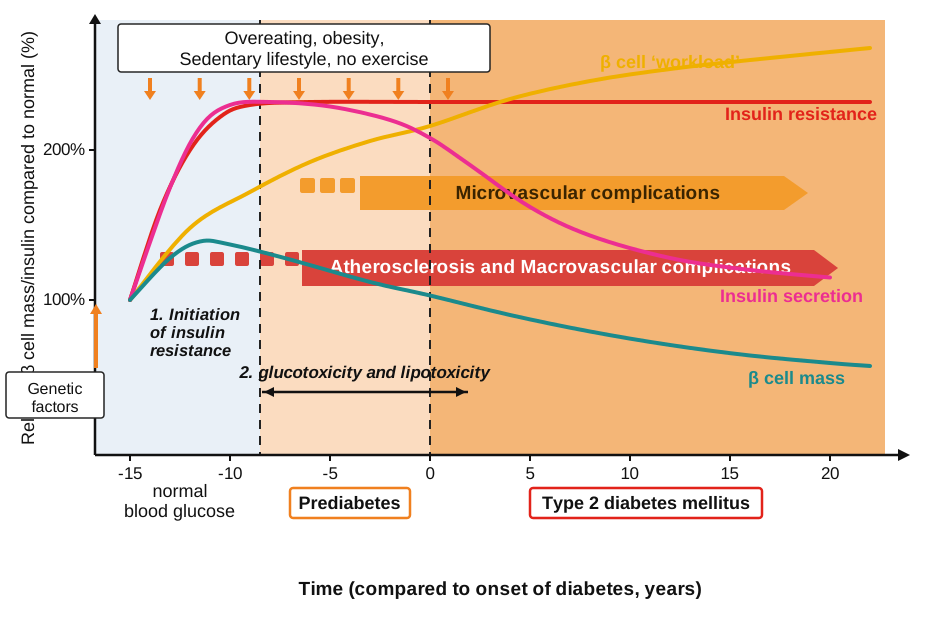
- 遺伝+環境 → インスリン抵抗性、β細胞が代償的compensatory代償的(compensatory)compensatory(代償的)に分泌を増やす → 血糖正常(この時期から動脈硬化リスクが集積し得る)。
- 前糖尿病Prediabetes前糖尿病(Prediabetes)Prediabetes(前糖尿病)から顕性糖尿病overt diabetes顕性糖尿病(overt diabetes)overt diabetes(顕性糖尿病): β細胞の代償が不十分となり分泌が低下する。高血糖による糖毒性glucotoxicity糖毒性(glucotoxicity)glucotoxicity(糖毒性)と、脂肪組織からの遊離脂肪酸free fatty acids遊離脂肪酸(free fatty acids)free fatty acids(遊離脂肪酸)流入・異所性脂肪ectopic fat異所性脂肪(ectopic fat)ectopic fat(異所性脂肪)による脂肪毒性lipotoxicity脂肪毒性(lipotoxicity)lipotoxicity(脂肪毒性)が、インスリン抵抗性とβ細胞機能不全beta-cell dysfunctionβ細胞機能不全(beta-cell dysfunction)beta-cell dysfunction(β細胞機能不全)をさらに悪化させる。診断時点ですでに細小血管microvascular細小血管(microvascular)microvascular(細小血管)・大血管合併症macrovascular complications大血管合併症(macrovascular complications)macrovascular complications(大血管合併症)を伴うことがある。
インスリン抵抗性の3つの標的組織
| 組織 | 影響 |
|---|---|
| 骨格筋 | インスリン依存性insulin-dependentインスリン依存性(insulin-dependent)insulin-dependent(インスリン依存性)グルコース取込み↓、グリコーゲン合成glycogen synthesisグリコーゲン合成(glycogen synthesis)glycogen synthesis(グリコーゲン合成)↓、異所性脂質蓄積lipid accumulation脂質蓄積(lipid accumulation)lipid accumulation(脂質蓄積) |
| 肝臓 | 糖新生↑(肝糖放出hepatic glucose output肝糖放出(hepatic glucose output)hepatic glucose output(肝糖放出)↑)、トリグリセリド/VLDL分泌↑ |
| 脂肪組織 | 脂肪分解lipolysis脂肪分解(lipolysis)lipolysis(脂肪分解)が十分に抑制されず、遊離脂肪酸free fatty acids遊離脂肪酸(free fatty acids)free fatty acids(遊離脂肪酸)が肝TAG/VLDLの基質となる。残存インスリンは通常ケトン産生ketogenesisケトン産生(ketogenesis)ketogenesis(ケトン産生)を抑えるが、相対的・絶対的absolute絶対的(absolute)absolute(絶対的)欠乏が強まれば2型でもケトアシドーシスketoacidosisケトアシドーシス(ketoacidosis)ketoacidosis(ケトアシドーシス)を起こす |
分子機序
💡 共通の落とし所はインスリン受容体基質insulin receptor substrate (IRS)インスリン受容体基質(insulin receptor substrate (IRS))insulin receptor substrate (IRS)(インスリン受容体基質)。 異所性脂肪ectopic fat異所性脂肪(ectopic fat)ectopic fat(異所性脂肪)も炎症も糖質コルチコイドglucocorticoids糖質コルチコイド(glucocorticoids)glucocorticoids(糖質コルチコイド)も、最終的に IRS を阻害してインスリンシグナルを切る。
flowchart TD
  EF["<span class='jp-term jp-term-diagram' title='ectopic fat'>異所性脂肪</span> → DAG↑+<span class='jp-term jp-term-diagram' title='ceramide'>セラミド</span>↑ → PKC"] --> IRS["IRS を阻害"]
  INF["炎症→ TNF-α+DAMPs → NF-κB/MAPK/JNK"] --> IRS
  GC["<span class='jp-term jp-term-diagram' title='glucocorticoids'>糖質コルチコイド</span>/11β-HSD1 → コルチゾール活性化 → JNK"] --> IRS
  IRS --> R["<span class='jp-term jp-term-diagram' title='insulin signaling'>インスリンシグナル伝達</span>↓ → インスリン抵抗性"]
β細胞生物学
インスリン分泌
グルコース → GLUT2でβ細胞へ流入 → 解糖 → ATP増加 → ATP感受性KチャネルATP-sensitive potassium channelATP感受性Kチャネル(ATP-sensitive potassium channel)ATP-sensitive potassium channel(ATP感受性Kチャネル)閉鎖 → 脱分極 → 電位依存性Ca²⁺チャネルvoltage-gated calcium channel電位依存性Ca²⁺チャネル(voltage-gated calcium channel)voltage-gated calcium channel(電位依存性Ca²⁺チャネル)開口 → 細胞内Ca²⁺増加 → インスリンの開口放出exocytosis開口放出(exocytosis)exocytosis(開口放出)。GLP-1とGIPはcAMPを介してこの分泌を増強する(第1相:急速、第2相:持続)。
糖毒性
💡 短期と長期で正反対。 短期の高血糖はβ細胞を刺激するが、長期の高血糖はβ細胞機能不全beta-cell dysfunctionβ細胞機能不全(beta-cell dysfunction)beta-cell dysfunction(β細胞機能不全)と細胞死を進める。
- 過剰グルコース → 酸化ストレスoxidative stress酸化ストレス(oxidative stress)oxidative stress(酸化ストレス)→ JNK → インスリン産生↓。インスリン↓ → FOXO1抑制なし → β細胞生存↓、アポトーシス↑。
診断
- 古典的徴候や明白な高血糖を欠く場合は、同一検体の別検査または別日の再検査による2つの異常結果が必要である。
| 検査 | 閾値 |
|---|---|
| 空腹時血糖fasting blood glucose空腹時血糖(fasting blood glucose)fasting blood glucose(空腹時血糖) | ≥ 7.0 mmol/L |
| 随時血糖random plasma glucose随時血糖(random plasma glucose)random plasma glucose(随時血糖) | 典型的高血糖症状または高血糖クリーゼhyperglycemic crisis高血糖クリーゼ(hyperglycemic crisis)hyperglycemic crisis(高血糖クリーゼ)を伴い≥11.1 mmol/L |
| 75 g OGTT 2時間値 | ≥ 11.1 mmol/L |
| HbA1c | ≥ 6.5% |
- 積極的治療/生活変容で 寛解 を達成しうる。
- 空腹時血糖異常impaired fasting glucose, IFG空腹時血糖異常(impaired fasting glucose, IFG)impaired fasting glucose, IFG(空腹時血糖異常): ADA基準では空腹時5.6〜6.9 mmol/L、WHO基準では6.1〜6.9 mmol/Lであり、採用基準を明記する。
- 耐糖能異常impaired glucose tolerance耐糖能異常(impaired glucose tolerance)impaired glucose tolerance(耐糖能異常): 75 g OGTT 2時間値7.8〜11.0 mmol/L。
治療
生活支援と薬物療法を診断時から開始し、治療目標Goals治療目標(Goals)Goals(治療目標)、低血糖リスク、体重、費用・負担、併存疾患comorbidity併存疾患(comorbidity)comorbidity(併存疾患)で個別化する。
- 動脈硬化性心血管疾患atherosclerotic cardiovascular disease (ASCVD)動脈硬化性心血管疾患(atherosclerotic cardiovascular disease (ASCVD))atherosclerotic cardiovascular disease (ASCVD)(動脈硬化性心血管疾患)、心不全、慢性腎臓病chronic kidney disease, CKD慢性腎臓病(chronic kidney disease, CKD)chronic kidney disease, CKD(慢性腎臓病)がある、または高リスクなら、心血管・腎利益が示されたSGLT2阻害薬やGLP-1受容体作動薬をHbA1cやメトホルミンmetforminメトホルミン(metformin)metformin(メトホルミン)使用の有無だけに左右されず選ぶ。
- これらの臓器リスクがなければ、メトホルミンmetforminメトホルミン(metformin)metformin(メトホルミン)を含め、血糖降下、体重、低血糖、副作用、費用を比較して選ぶ。スルホニル尿素薬sulfonylureaスルホニル尿素薬(sulfonylurea)sulfonylurea(スルホニル尿素薬)を一律の第2選択とはしない。
- 異化catabolism異化(catabolism)catabolism(異化)症状、高度高血糖、高血糖クリーゼhyperglycemic crisis高血糖クリーゼ(hyperglycemic crisis)hyperglycemic crisis(高血糖クリーゼ)、1型糖尿病の疑いではインスリンを優先する。
まとめ
- 2型糖尿病ではインスリン抵抗性をβ細胞が一時的に代償するが、進行性機能不全によって持続性高血糖へ至る。
- 筋の糖取り込み低下、肝糖放出hepatic glucose output肝糖放出(hepatic glucose output)hepatic glucose output(肝糖放出)の抑制不良、脂肪分解lipolysis脂肪分解(lipolysis)lipolysis(脂肪分解)亢進が高血糖と脂肪毒性lipotoxicity脂肪毒性(lipotoxicity)lipotoxicity(脂肪毒性)を増幅する。
- 診断は標準化検査と確認検査confirmatory test確認検査(confirmatory test)confirmatory test(確認検査)で行い、治療は血糖だけでなく心血管・心不全・腎・体重・低血糖リスクで個別化する。